Fokida
Φωκίδα
Central Greece
Fokida (Φωκίδα, also written Phocis) is the part of Central Greece between Mount Parnassos and the Corinthian Gulf, with Delphi on the mountainside. Below Delphi the olive grove of Amfissa runs down to the sea, where Itea, Galaxidi, Eratini and Marathias sit along the north shore of the gulf, and Code Athena has one holiday home here, in Marathias.
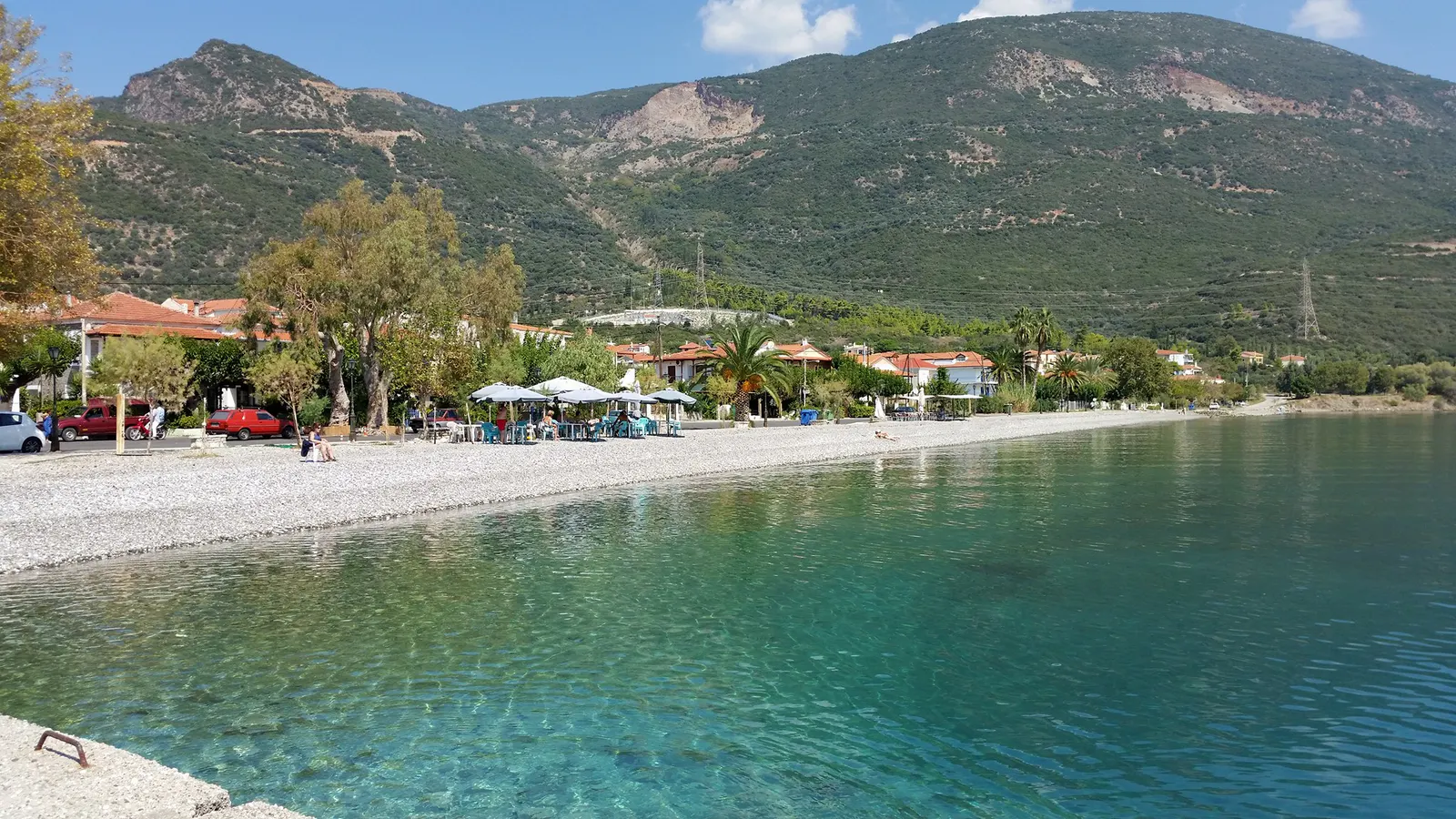
Our homes in Fokida
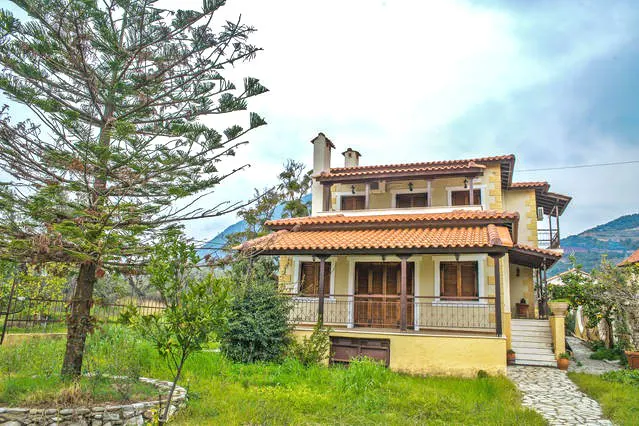
Between Parnassos and the gulf
Fokida is a regional unit of Central Greece, administered from Amfissa and divided into two municipalities (Delphi and Dorida), and it lies between the western slopes of Parnassos (Parnassus, in the Latin spelling) and the Vardousia range. At the 2021 census it had 36 199 residents, and by one account the population can nearly double in summer with visitors.
Seen on a map, the region is evidently a matter of mountain and valley: Parnassos, a little under 2460 m high and shared with Boeotia and Fthiotida, fills the east, Giona rises to the west of Amfissa, and the valley between Itea and Amfissa joins the two to the sea. Delphi, Amfissa, the grove and the coast at Itea thus lie within about 20 km of one another.
Along the north shore
Heading west, the coast is a string of small towns and villages (Itea and Galaxidi first, then Eratini and, farther on, Marathias). Itea is the largest, with 4546 residents in the town in 2021. It sits on the bay that carries its name (a northward arm of the Corinthian Gulf), about 8 km south-west of Delphi.
Galaxidi, 7 km further on, seems to owe almost everything about its appearance to the sea. In the 1860s and 1870s it was the second-largest shipping centre in Greece after Syros, with a fleet of several hundred sailing ships (300, 350 or over 400, depending on the source), and the captains' houses left from that prosperity are mostly two or three storeys high and face the water. With the arrival of steam the sailing ships were gradually laid up, and by the early twentieth century the town's wealth had largely gone. The houses are private homes, though some owners open their doors to visitors, particularly on Carnival weekends and in September, when Galaxidi commemorates its heroes of 1821.
West of Galaxidi the villages grow smaller and the shore more mountainous. Past Eratini and the car-free island of Trizonia (the only inhabited island in the Corinthian Gulf, five minutes by boat from Chania), Marathias is a fishing village of 464 people and a summer resort, with small hotels, rooms to let, tavernas, ouzeris and cafés. Villa Marathias, our home there, stands in a green garden, with three bedrooms and two bathrooms, views of the mountain and the sea from its balconies and, what is more, a fireplace on each floor. Write to us with your dates and the number of guests to ask about a stay.
Delphi and the olive grove
Delphi lies on the south-western slope of Parnassos, above the Pleistos valley, and its archaeological site was inscribed on the UNESCO World Heritage List in 1987. The sanctuary of Apollo grew on the site of a Mycenaean settlement, and the Pythia, his priestess, gave her prophecies from a sacred tripod at the place the ancient Greeks took for the centre of the world (the omphalos stone marked it). The theatre stands above the temple, with the stadium farther up the hill, and a visit can go on to the Castalian spring, the round Tholos at the sanctuary of Athena Pronaia and the museum, home of the bronze Charioteer. From about ten in the morning the sanctuaries fill with school groups and coach tours, so it is likely better to arrive early, or to spend the night before somewhere nearby.
From the temple the view runs out over the olive grove of Amfissa, which Visit Greece calls the largest continuous olive grove in the country (over a million trees, many of them centuries old, reaching down to the gulf). A trail of roughly two hours crosses it between Delphi and Kirra by way of Chrisso, partly on an old cobbled path, and its olive, the Konservolia of Amfissa, is a protected designation of origin. Amfissa, the capital, sits on the northern edge of the grove with 6334 residents (2021); in the Middle Ages it was Salona, and its castle, on the hill of the ancient acropolis, still looks down on the old tanneries of the Harmaina quarter.
Parnassos and Arachova
Above Delphi, Parnassos was declared a national park in 1938. In winter it turns to skiing at Kellaria and Fterolakka, as long as the snow allows. Arachova, at about 970 m and 8 km east of Delphi, is probably the customary base for skiers, though strictly it lies just over the line, in Boeotia. The town is known for formaela (a semi-hard local cheese, recognised as a PDO in 1996, traditionally eaten grilled), for its black wine, for its textiles (carpets and rugs among them) and for its feast of Saint George on 23 April.
Getting here, and when to come
National Road 48 starts at Livadeia and runs through Arachova and Delphi to Amfissa and then on to Nafpaktos and Antirrio (Amfissa itself is about 200 km north-west of Athens), and the KTEL buses take something like two and a half or three hours between Athens and Delphi. From the Peloponnese, the Rio–Antirrio bridge (officially the Charilaos Trikoupis Bridge, open since August 2004) lands at Antirrio, and Marathias is then about 18 km beyond Nafpaktos on the road towards Itea.
Summer is when Delphi is busiest and the heat makes walking hard work, so spring and autumn probably suit the sanctuary and the trails better. Winter, notwithstanding the cold, belongs to Parnassos and the skiers. One date may be worth planning around as well: Clean Monday in Galaxidi, when the harbour is divided into a war zone and a neutral zone for the alevromoutzouroma (a battle with coloured flour, in its present form since the mid-nineteenth century).
For sale in Fokida
On 15 October 2026 Greca House, a real-estate agency in Athens since 2008, had these properties in its listings for sale.
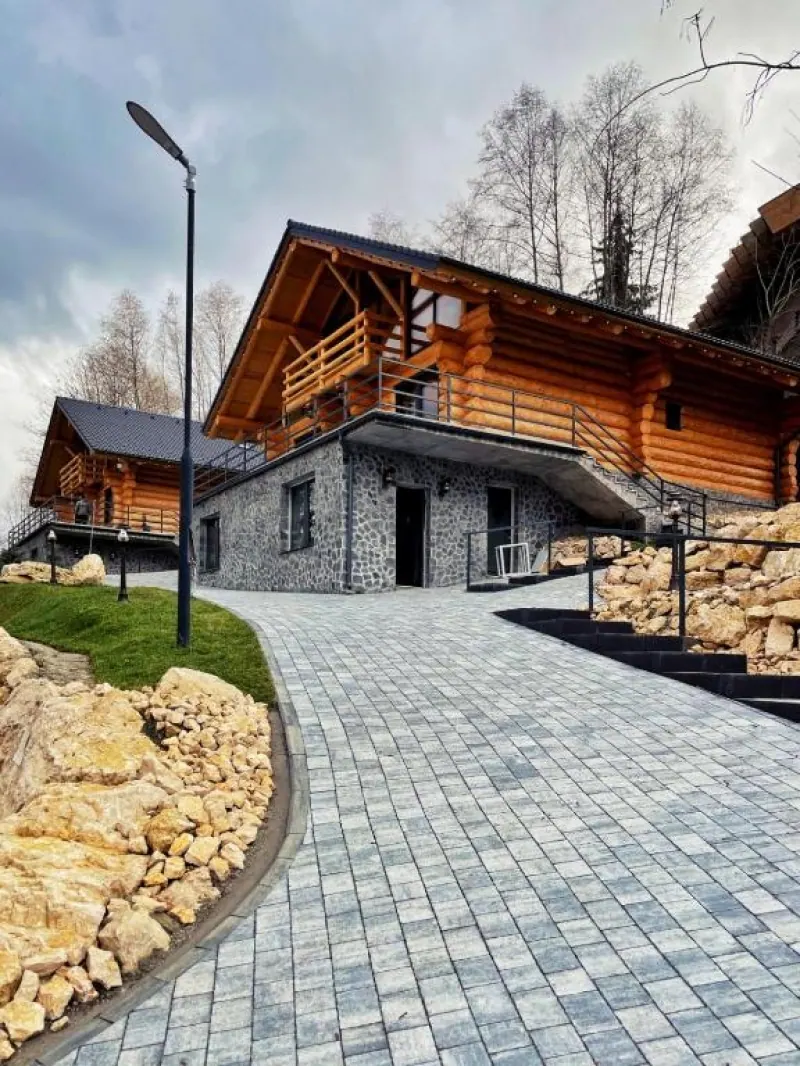 Hotel
Polydrosos, Parnassos
850 m² Plot 11,500 m² 12 bathrooms
€1,100,000
Asking price on 15 October 2026
Hotel
Polydrosos, Parnassos
850 m² Plot 11,500 m² 12 bathrooms
€1,100,000
Asking price on 15 October 2026
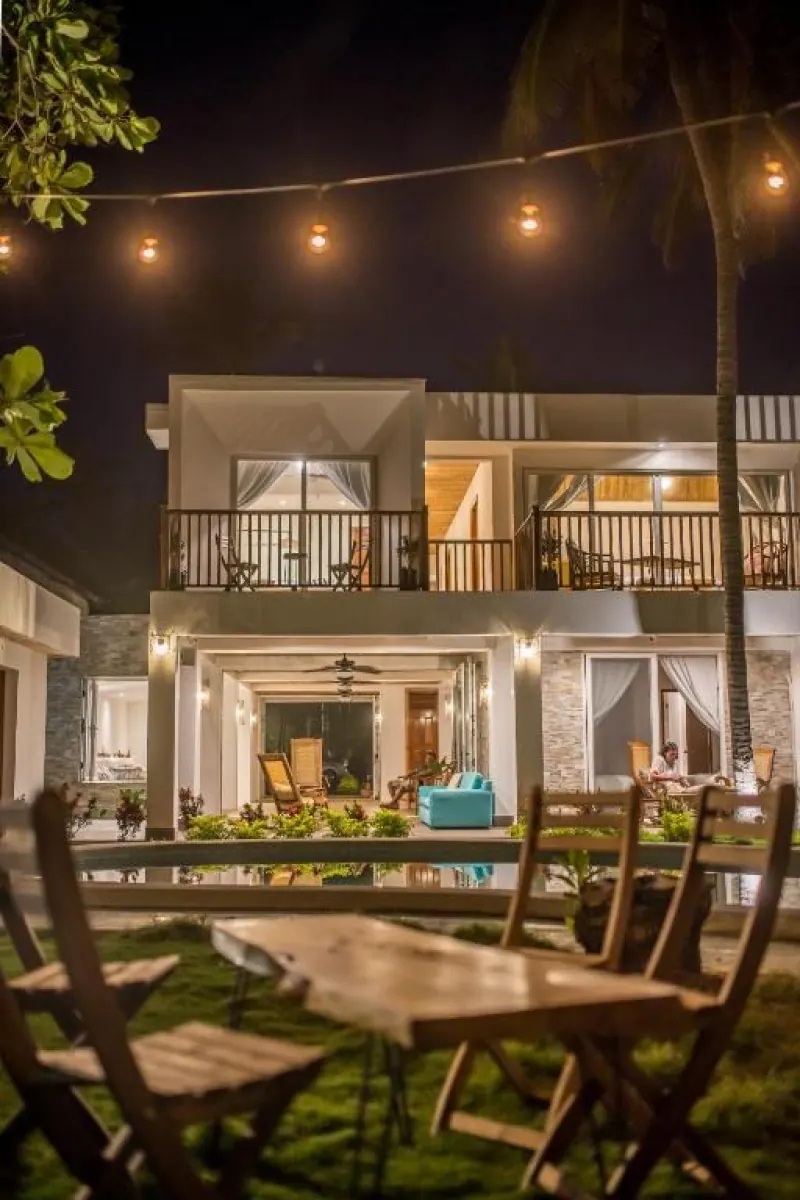 Hotel
Agios Nikolaos, Tolofona
700 m² 12 bathrooms
€1,300,000
Asking price on 15 October 2026
Hotel
Agios Nikolaos, Tolofona
700 m² 12 bathrooms
€1,300,000
Asking price on 15 October 2026
Listed with Greca House. More listings for sale
Sources26
- Wikipedia: Phocis accessed 14 October 2026
- Wikipedia: Mount Parnassus accessed 14 October 2026
- Wikipedia: Itea, Phocis accessed 14 October 2026
- Wikipedia: Galaxidi accessed 14 October 2026
- Βικιπαίδεια: Γαλαξίδι accessed 14 October 2026
- Visit Greece: Mansions in Galaxidi accessed 14 October 2026
- Wikipedia: Erateini accessed 14 October 2026
- Wikipedia: Tolofon accessed 14 October 2026
- Wikipedia: Trizonia island accessed 14 October 2026
- Visit Greece: Trizonia accessed 14 October 2026
- Βικιπαίδεια: Μαραθιάς Φωκίδας accessed 14 October 2026
- Wikipedia: Delphi accessed 14 October 2026
- Hellenic Ministry of Culture, Delphi: The beginnings of the sanctuary accessed 14 October 2026
- Hellenic Ministry of Culture, Delphi: The Charioteer accessed 14 October 2026
- Visit Greece: Delphi accessed 14 October 2026
- Wikivoyage: Delphi accessed 14 October 2026
- Visit Greece: Amfissa accessed 14 October 2026
- Wikipedia: Amphissa accessed 14 October 2026
- Visit Greece: Konservolia and the olive grove of Amfissa accessed 14 October 2026
- WIPO Lex: Ministerial Decision No. 317746, PDO for the table olives «Conservolia Amfissis» accessed 14 October 2026
- Wikipedia: Arachova accessed 14 October 2026
- Visit Greece: Formaela of Parnassus accessed 14 October 2026
- Wikipedia: Greek National Road 48 accessed 14 October 2026
- Wikipedia: Rio–Antirrio Bridge accessed 14 October 2026
- Greca House listing GH-107581 accessed 14 October 2026
- Greca House listing GH-107571 accessed 14 October 2026