Argolida
Αργολίδα
Peloponnese
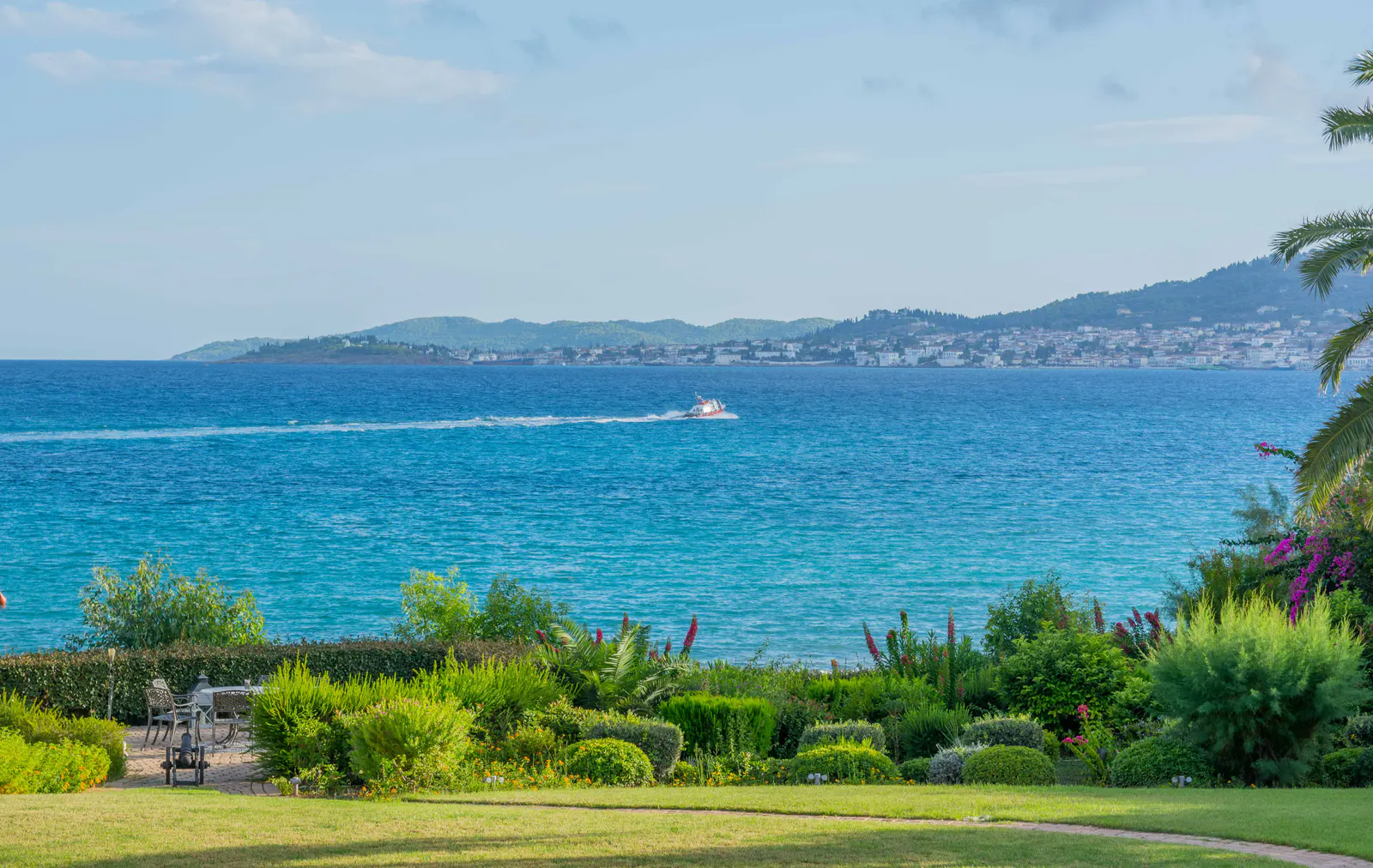
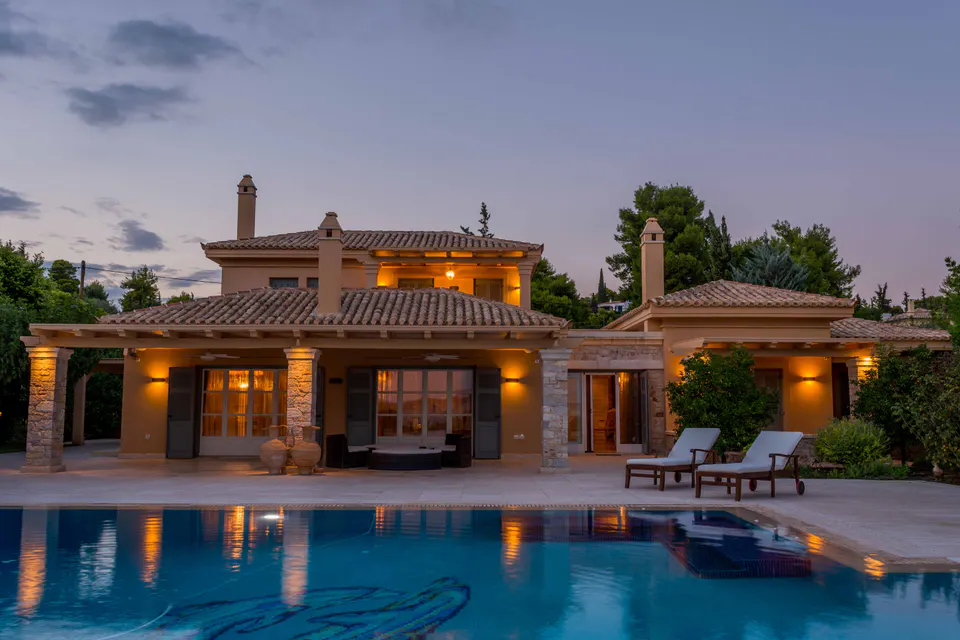
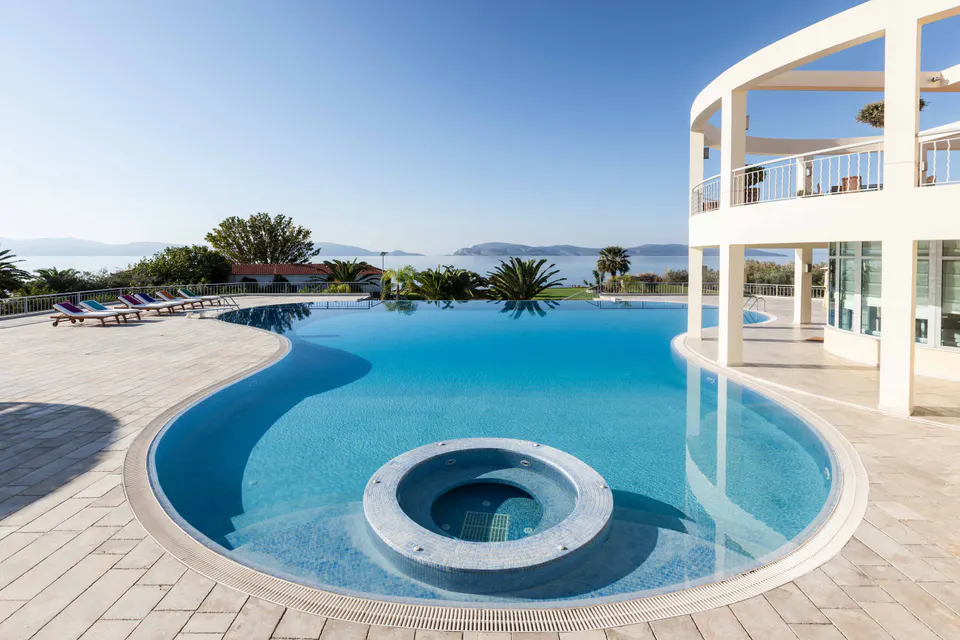
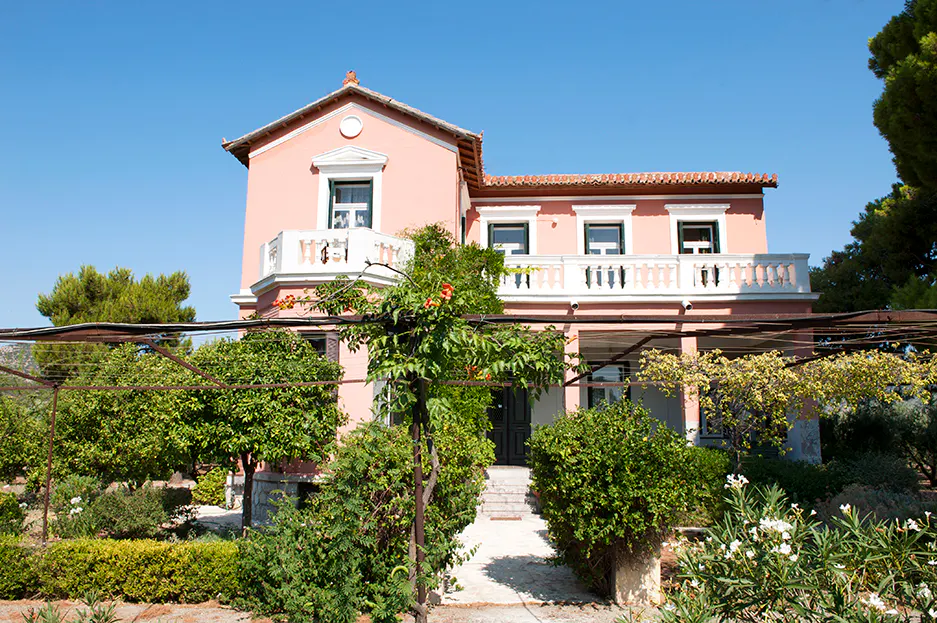
Argolida is the part of the eastern Peloponnese that faces Hydra and Spetses. Nafplio, its capital, and the ancient theatre of Epidaurus lie farther north. The southern coast, around Porto Heli, Kosta and Ermioni, has small harbours and olive groves, with the islands a short boat ride across the water, and Code Athena has three holiday homes in Argolida.
A peninsula between two gulfs
Argolida is a regional unit in the Peloponnese region, and much of it lies on the Argolid peninsula, between the Saronic Gulf (to the north-east) and the Argolic Gulf (to the south and south-east). Oranges and olives are the main crops, Nafplio is the seat, and more than 93 000 people live here (2021 census).
The south coast belongs to the municipality of Ermionida, which has some 13 600 residents and is run from the town of Kranidi, and by road it is roughly two and a half hours from Athens.
The southern coast
Porto Heli sits on a bay of the Argolic Gulf, with Spetses about 6 km to the south, and its marina has become a popular place for yachts to winter (the community of Porto Heli had 2603 residents at the 2021 census). Kosta belongs to the same community and faces Spetses across a strait, which water taxis and scheduled boats cross, and Costa House is here, with a garden that meets the sand.
Further east, Ermioni (2842 residents at the 2021 census) sits on a pine-covered headland and looks across to Hydra and the small island of Dokos. Near the modern town lie the ruins of ancient Hermione, a city known for shipbuilding as well as for a purple dye, and Greek and Swedish archaeologists are researching the site in a project that began in 2015. Hydra Grand Exclusive is at Plepi, directly across from Hydra and about 20 minutes by car from Ermioni, while Villa Ermioni, an old villa on an estate of olive groves and flowers, is just across the water from Ermioni.
Older still is Franchthi Cave on Kiladha Bay, which was used as a shelter from the Upper Palaeolithic until about 3000 BC and where obsidian from the island of Melos turns up from about 13 000 BC (it is counted among the earliest evidence of seafaring in Greece).
Getting here, and across the water
The nearest international airport is in Athens. Argolida is easy to get around by car, since the distances are short, and there are buses from Athens and Nafplio to Kranidi, while ferries and high-speed boats leave Piraeus for Poros, Hydra, Ermioni, Spetses and Porto Heli (the trip to Ermioni takes two hours and twenty-five minutes or more). In winter, nevertheless, there are fewer sailings, and bad weather can change or cancel them, so you may want to check before you plan around a boat.
Hydra has no cars or motorcycles, and people get about on foot, by donkey and by water taxi, whereas on Spetses private cars are not freely permitted and visitors use taxis, horse carriages and bicycles, or walk. Metochi (the nearest part of the Peloponnese opposite Hydra) is about 15 to 20 minutes from the island by boat. What is more, each September Spetses holds the Armata, which ends with a re-enactment of the naval battle of 1822.
Nafplio and Epidaurus
Nafplio, the regional capital, has about 14 500 residents (the community, 2021), and it was the first official capital of the modern Greek state, until the capital moved to Athens in 1834. Its fortresses include Palamidi, built by the Venetians, and the Bourtzi (a fortress in the middle of the harbour). The municipality also includes the villages of Tolo and Asini, on the Argolic Gulf.
The theatre of Epidaurus, which dates from the late fourth century BC and whose design is attributed to Polykleitos the Younger, belongs to the sanctuary of Asklepios (often described as the best-known place of healing in the classical world). The sanctuary was inscribed on the UNESCO World Heritage List in 1988, and performances are still staged at the theatre in summer, during the Athens Epidaurus Festival.
When to go, and what to eat
Summers are hot and dry and winters are wet, with most of the rain in autumn and winter, and the meltemi (the dry north wind of the Aegean) may blow from May to October, most often in July and August. Long-term averages for Nafplio give a daytime maximum of about 32 °C in July and 23 °C in October, and on the same averages the sea is as warm in October as in June, although the rain starts to come back (about 66 mm in the month, against 5 mm in July). The tenth pomegranate festival at Ermioni's port was held on 30 and 31 October 2021, and it may be worth confirming that it still runs.
Fish à la Spetsiota (a white fish baked with tomato, garlic, parsley and white wine under breadcrumbs) is named after Spetses, and Hydra and Spetses are also known for amygdalota, small almond sweets. In 2020 the European Commission approved the application to register Ermioni's pomegranate as a protected designation of origin (PDO).
Living here
Ermioni and Porto Heli are small places, as the communities each had fewer than 3000 residents in 2021, and the municipality's population rises with visitors and holiday-home owners. Ermioni is popular with Athenians, especially at Easter and on summer weekends, and the marina at Porto Heli, as noted above, keeps yachts through the winter.
For sale in Argolida
On 15 October 2026 Greca House, a real-estate agency in Athens since 2008, had these homes in its listings for sale.
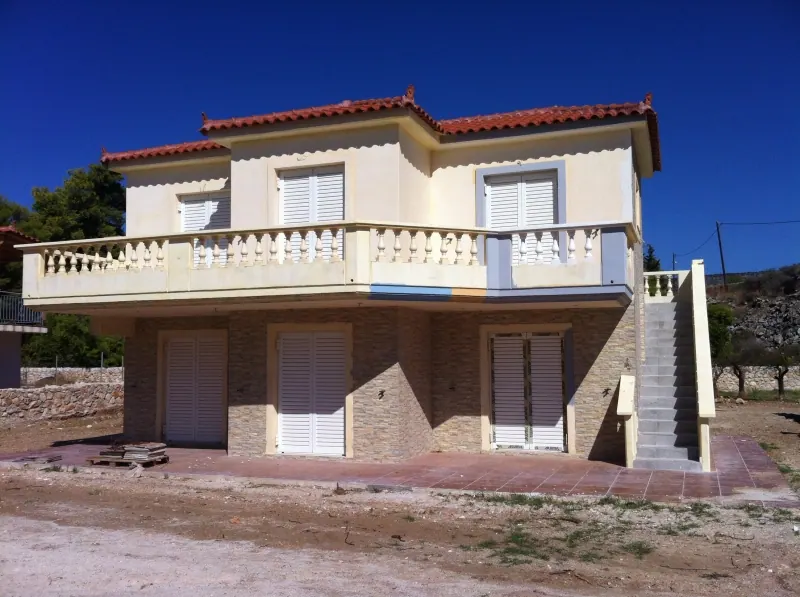 Maisonette
Asini
118 m² Plot 1,250 m² 3 bedrooms 2 bathrooms
€270,000
Asking price on 15 October 2026
Maisonette
Asini
118 m² Plot 1,250 m² 3 bedrooms 2 bathrooms
€270,000
Asking price on 15 October 2026
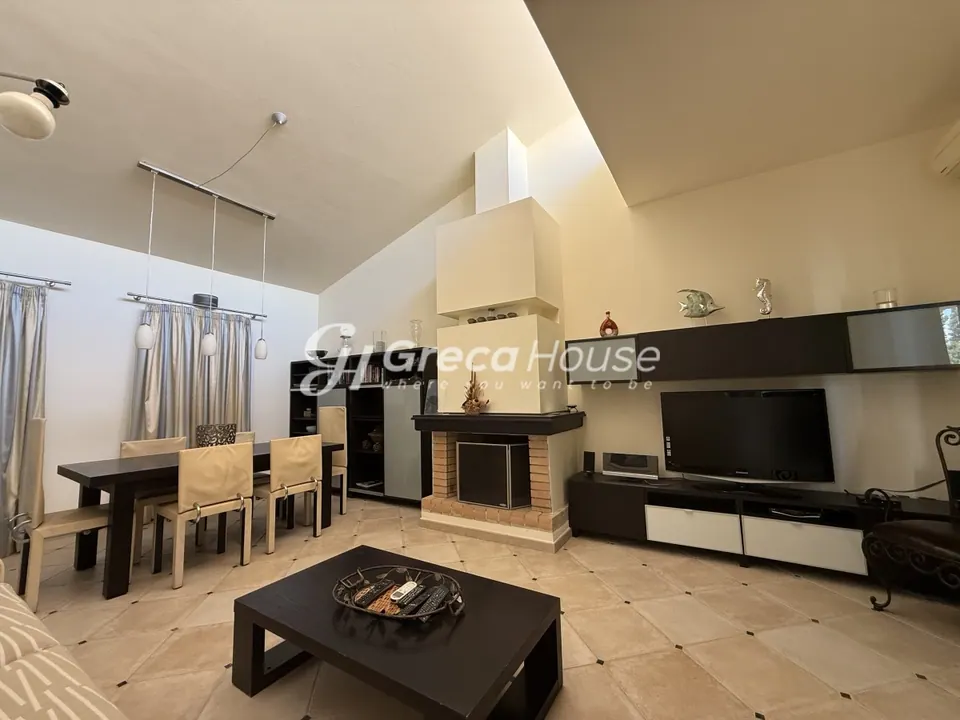 House
Porto Heli
246 m² Plot 280 m² 3 bedrooms 2 bathrooms
€400,000
Asking price on 15 October 2026
House
Porto Heli
246 m² Plot 280 m² 3 bedrooms 2 bathrooms
€400,000
Asking price on 15 October 2026
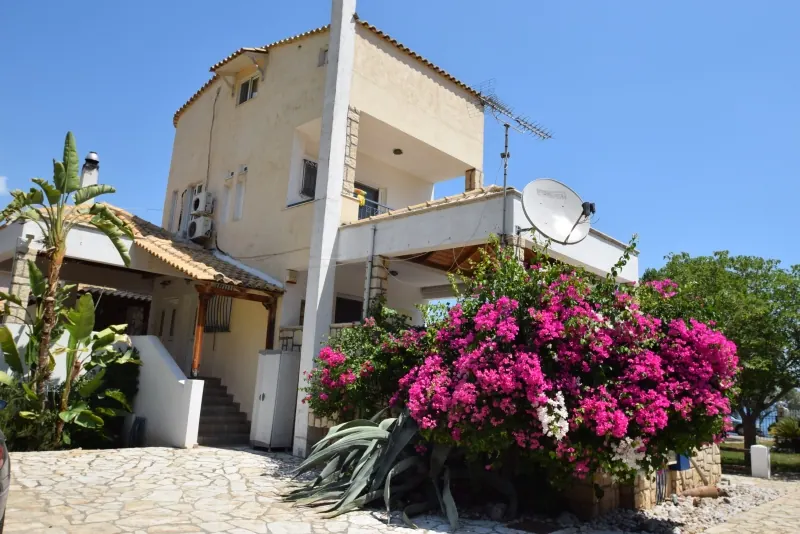 Villa
Nea Epidavros
190 m² Plot 1,000 m² 4 bedrooms 3 bathrooms
€500,000
Asking price on 15 October 2026
Villa
Nea Epidavros
190 m² Plot 1,000 m² 4 bedrooms 3 bathrooms
€500,000
Asking price on 15 October 2026
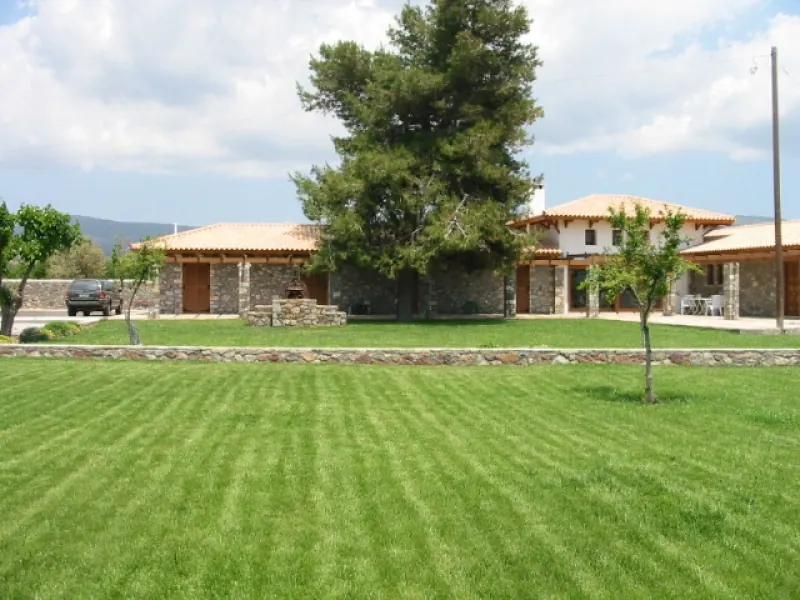 Villa
Ermioni
200 m² Plot 7,200 m² 4 bedrooms 4 bathrooms
€1,100,000
Asking price on 15 October 2026
Villa
Ermioni
200 m² Plot 7,200 m² 4 bedrooms 4 bathrooms
€1,100,000
Asking price on 15 October 2026
Listed with Greca House. More listings for sale
Peloponnese: the median asking price on Greca House's own listings was €2,872 per m² on 1 October 2026, across 51 homes with a stated floor area. These are asking prices, not sale prices. Source: Greca House research.
Sources37
- Wikipedia: Argolis (regional unit) accessed 14 October 2026
- Wikipedia: Ermionida (municipality) accessed 14 October 2026
- Βικιπαίδεια: Δήμος Ερμιονίδας accessed 14 October 2026
- Wikipedia: Ermioni accessed 14 October 2026
- Visit Peloponnese: Ermioni accessed 14 October 2026
- Wikipedia: Hermione (Argolis) accessed 14 October 2026
- Wikipedia: Porto Heli accessed 14 October 2026
- Wikipedia: Franchthi Cave accessed 14 October 2026
- Wikipedia: Spetses accessed 14 October 2026
- CNN Greece: Αρμάτα Σπετσών accessed 14 October 2026
- Wikipedia: Hydra (island) accessed 14 October 2026
- Wikipedia: Nafplio accessed 14 October 2026
- Wikipedia: Tolo accessed 14 October 2026
- Wikipedia: Epidaurus accessed 14 October 2026
- Wikipedia: Ancient Theatre of Epidaurus accessed 14 October 2026
- Municipality of Spetses: Transport accessed 14 October 2026
- Municipality of Spetses: How to reach Spetses accessed 14 October 2026
- Official webpage of Hydra island: Metochi accessed 14 October 2026
- Official webpage of Hydra island: Μετόχι accessed 14 October 2026
- Visit Greece: Hydra accessed 14 October 2026
- Hellenic Seaways: Ermioni accessed 14 October 2026
- Wikivoyage: Ermioni accessed 14 October 2026
- Wikivoyage: Argolis accessed 14 October 2026
- Hellenic Parliament: document of 19 October 2023 accessed 14 October 2026
- Wikipedia: Climate of Greece accessed 14 October 2026
- Wikipedia: Meltemi accessed 14 October 2026
- Weather2Travel: Nafplio climate accessed 14 October 2026
- European Commission representation in Greece: news of 8 October 2020 accessed 14 October 2026
- Parapolitika: 10th Pomegranate Festival, Ermioni 2021 accessed 14 October 2026
- Diane Kochilas: Fish a la Spetsiota accessed 14 October 2026
- Visit Greece: Traditional sweets with an island flair accessed 14 October 2026
- CNN Greece: Φράγχθι accessed 14 October 2026
- Greca House: research on asking prices by region, snapshot of 1 October 2026 accessed 14 October 2026
- Greca House listing GH-12798 accessed 14 October 2026
- Greca House listing GH-107117 accessed 14 October 2026
- Greca House listing GH-12675 accessed 14 October 2026
- Greca House listing GH-12696 accessed 14 October 2026