Piraeus
Πειραιάς
Piraeus has been the port of Athens since the fifth century BC, and it lies about eight kilometres south-west of the centre on the Saronic Gulf, where its main harbour sends ferries to the Saronic islands, the Cyclades, Crete, the Dodecanese and the North Aegean. Two smaller harbours, Zea (Pasalimani) and Mikrolimano, keep the yachts and the fish tavernas, lines 1 and 3 of the metro both end here, and the municipality had 168 151 residents at the 2021 census.
An ancient port and a modern town
The harbour is older than almost anything else in the city, and its history as the port of Athens begins with Themistocles, who started to fortify Piraeus in 493 BC. The town was laid out on the grid plan of Hippodamus of Miletus, and the Long Walls (built under Cimon and Pericles) secured the road to Athens, though the port's fortunes followed those of Athens, and after Sulla destroyed it in 86 BC there came a decline that may have lasted, by one account, some fifteen centuries.
From the fourteenth century at the latest, a colossal marble lion at the harbour entrance gave the place its name (Porto Leone, to the Venetians), until Francesco Morosini carried the lion off to Venice in 1687. It still stands at the Arsenal there, with runic inscriptions likely cut by Scandinavians in the eleventh century, while a replica now looks over the main harbour again.
The modern town grew once the capital moved to Athens, the municipality dating from 1835, and Piraeus became a commercial and industrial centre. Refugees from Asia Minor almost doubled its population in the 1920s (from 133 482 in 1920 to 251 659 in 1928). The Second World War was a severe setback: in April 1941 a German air raid hit the Clan Fraser, a British freighter still unloading explosives, and by morning the port had been badly damaged.
The three harbours
The main harbour (Kantharos in antiquity) takes the commercial and passenger traffic, and the port authority describes Piraeus as the largest passenger port in Europe. Ferries leave from several terminals along the quays, cruise ships berth at terminals of their own, and a free bus carries passengers within the port.
Zea, better known as Pasalimani (an Ottoman-era name), was the naval harbour of ancient Athens. Its triremes were kept in shipsheds, twenty of which were excavated on the eastern side in 1880, while the excavations of 2010 to 2012 found six more in the harbours of Zea and Munichia. The bay held the swimming events of the 1896 Olympics and has been a marina since the 1970s (with 670 berths after its renovation for the 2004 Games). The Hellenic Maritime Museum stands at its entrance, and the Archaeological Museum is close by, best known for the bronzes (among them an Apollo, an Athena and an Artemis) that workmen laying pipes near the harbour found together in July 1959.
Mikrolimano, the smallest of the three (the ancient harbour of Munichia, long known as Tourkolimano), has a waterfront lined with restaurants and cafés where people tend to come for fresh fish, seafood, plates of meze and a Greek salad. Kastella rises straight above it, and the Yacht Club of Greece holds the tip of the promontory.
Kastella and the Piraiki coast
Kastella, the hill of ancient Munichia (86 m), is counted among the most prosperous neighbourhoods of the city, and Cretan refugees settled on it, the municipality notes, as early as 1869. You climb it by alleys and stairs hung with bougainvillea, past nineteenth-century mansions and modern blocks of flats, to the church of Prophet Elias and the Veakeio, a theatre named after the actor Aimilios Veakis and known for its summer performances, from where the view takes in Mikrolimano, the whole coast of Piraeus, the Athenian Riviera and the open sea.
Beyond Zea, Freattyda takes up the south-eastern tip of the Piraiki peninsula, and its name recalls ancient Phreattys, where, by most accounts, a court sat for cases of involuntary homicide. Its organised beach has lain at the bend of Themistokleous Street since the early 1960s, and from there the coastal road goes on round the peninsula beside the rocks, past the cove of Aphrodite and the remains of the Cononian walls (the municipality's walking route along this shore is about 2.5 km).
Getting around
Line 1 of the metro (the Athens to Piraeus railway, opened in 1869 as the first in Greece) ends at Piraeus station beside the port. Its next stop, Faliro, serves Neo Faliro, the Karaiskakis Stadium (the home of Olympiacos) and the Peace and Friendship Stadium. Line 3, by contrast, reached Piraeus only in the autumn of 2022. An extension from Nikaia opened on 10 October with three stations (Maniatika, the interchange at Piraeus and Dimotiko Theatro, named after the Municipal Theatre, a neoclassical building designed by Ioannis Lazarimos and in use since 1895), and its trains run through Monastiraki and Syntagma towards Doukissis Plakentias and, some of them, the airport.
The suburban railway (Proastiakos, run by Hellenic Train) leaves from its own station by the metro for the airport (line A1) and Kiato (line A4). Line 7 of the tram, which starts in Voula, has made a one-way loop through the centre since December 2021, although its last stop, Akti Poseidonos on the waterfront, opened only in February 2026. Of the OASA buses, the 040 goes to Syntagma and the X96 to the airport, while by road Pireos Street (about 10 km) leads to the centre of Athens and Poseidonos Avenue, heavily used all year, follows the coast to Glyfada.
Living here
Piraeus is a city of its own within the Athens conurbation, with 168 151 residents at the 2021 census. Its neighbourhoods differ a good deal, from the mansions of Kastella to Kaminia, a working-class district, and the municipality calls Pasalimani the most cosmopolitan and bustling of them. The University of Piraeus (founded in 1938, with departments of maritime studies, of banking and finance, and of informatics) is here as well.
The most visible change of recent years is possibly the Piraeus Tower, begun in 1972 and for decades used only on its three lower floors, which was rebuilt from 2021 and opened on 4 June 2024. The port may nevertheless weigh on daily life in less welcome ways. In June 2023 the campaign group Transport & Environment ranked Piraeus third in Europe, after Barcelona and Civitavecchia, for air pollution from cruise ships in 2022.
For sale in Piraeus
On 15 October 2026 Greca House, a real-estate agency in Athens since 2008, had these homes in its listings for sale.
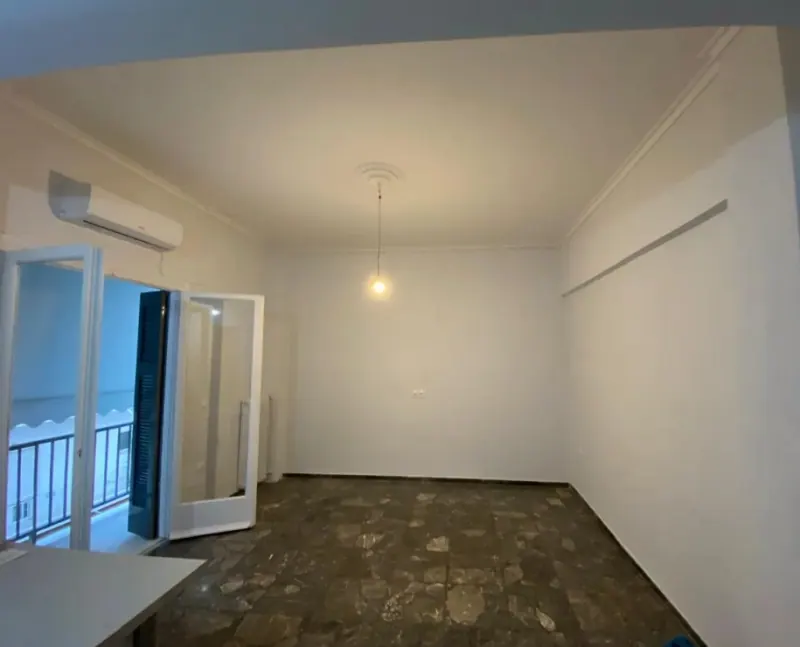 Apartment
Piraeus Port
65 m² 2 bedrooms 1 bathroom
€250,000
Asking price on 15 October 2026
Apartment
Piraeus Port
65 m² 2 bedrooms 1 bathroom
€250,000
Asking price on 15 October 2026
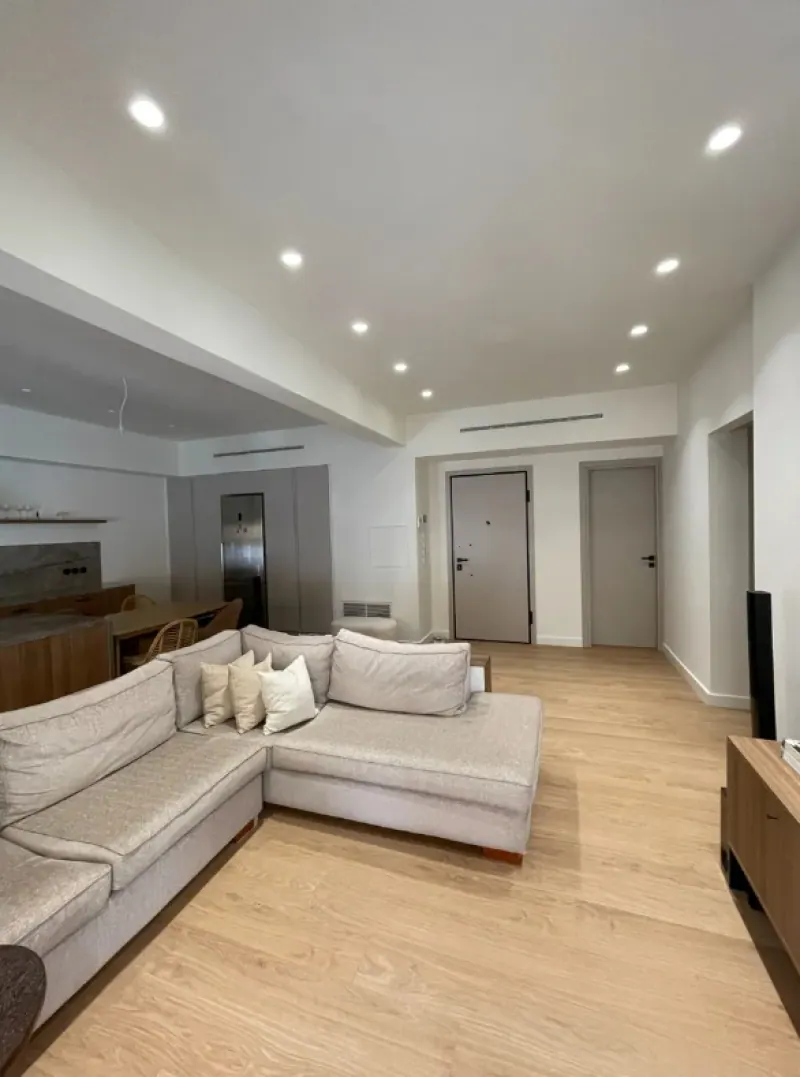 Apartment
Piraeus Port
90 m² 2 bedrooms 2 bathrooms
€265,000
Asking price on 15 October 2026
Apartment
Piraeus Port
90 m² 2 bedrooms 2 bathrooms
€265,000
Asking price on 15 October 2026
Listed with Greca House. More listings for sale
Sources42
- Wikipedia: Piraeus accessed 14 October 2026
- Βικιπαίδεια: Πειραιάς accessed 14 October 2026
- Destination Piraeus (Municipality of Piraeus): Port of Piraeus accessed 14 October 2026
- Piraeus Port Authority: Coastal terminals accessed 14 October 2026
- Wikipedia: Port of Piraeus accessed 14 October 2026
- Wikipedia: Piraeus Lion accessed 14 October 2026
- Destination Piraeus (Municipality of Piraeus): The Lion of Piraeus accessed 14 October 2026
- Wikipedia: SS Clan Fraser (1938) accessed 14 October 2026
- Wikipedia: Bay of Zea accessed 14 October 2026
- Destination Piraeus (Municipality of Piraeus): Pasalimani accessed 14 October 2026
- Destination Piraeus (Municipality of Piraeus): Food in Mikrolimano accessed 14 October 2026
- Yacht Club of Greece: home page accessed 14 October 2026
- Wikipedia: Piraeus Apollo accessed 14 October 2026
- Wikipedia: Munichia accessed 14 October 2026
- Destination Piraeus (Municipality of Piraeus): Kastella accessed 14 October 2026
- Destination Piraeus (Municipality of Piraeus): Explore Kastella accessed 14 October 2026
- Destination Piraeus (Δήμος Πειραιά): Εξερευνήστε την Καστέλλα accessed 14 October 2026
- Βικιπαίδεια: Φρεαττύδα accessed 14 October 2026
- Destination Piraeus (Municipality of Piraeus): Piraiki coastline accessed 14 October 2026
- Destination Piraeus (Municipality of Piraeus): Districts accessed 14 October 2026
- Destination Piraeus (Municipality of Piraeus): Municipal Theatre of Piraeus accessed 14 October 2026
- Wikipedia: Piraeus station accessed 14 October 2026
- STASY: Line 1 timetable accessed 14 October 2026
- Wikipedia: Faliro metro station accessed 14 October 2026
- Wikipedia: Karaiskakis Stadium accessed 14 October 2026
- Wikipedia: Line 3 (Athens Metro) accessed 14 October 2026
- Railway Gazette: Piraeus metro extension opens (12 October 2022) accessed 14 October 2026
- Wikipedia: Dimotiko Theatro metro station accessed 14 October 2026
- STASY: Line 3 timetable accessed 14 October 2026
- Wikipedia: Proastiakos accessed 14 October 2026
- Wikipedia: Athens Tram accessed 14 October 2026
- STASY: Tram timetables accessed 14 October 2026
- powergame.gr: the tram reaches the port of Piraeus (18 February 2026) accessed 14 October 2026
- Athens International Airport: Public transportation accessed 14 October 2026
- To Vima: the 24-hour transport lines (2 July 2025) accessed 14 October 2026
- Wikipedia: Pireos Street accessed 14 October 2026
- Wikipedia: Poseidonos Avenue accessed 14 October 2026
- Wikipedia: University of Piraeus accessed 14 October 2026
- Wikipedia: Piraeus Tower accessed 14 October 2026
- Transport & Environment: The return of the cruise (June 2023) accessed 14 October 2026
- Greca House listing GH-107709 accessed 14 October 2026
- Greca House listing GH-107710 accessed 14 October 2026