Voula, Vouliagmeni and Varkiza
Βούλα, Βουλιαγμένη και Βάρκιζα
Athens: the south and the coast
Voula, Vouliagmeni and Varkiza lie on the Saronic Gulf some 16 to 22 km south of central Athens, between the sea and the southern slopes of Hymettus, and in 2011 they were joined in a single municipality with Vari, the older settlement inland. The municipality had 52 546 residents at the 2021 census, and it holds some of the best-known beaches of Attica, a warm lake in a collapsed cave and what are reputedly some of the most expensive homes in Greece.
Three places, one municipality
Voula and Vouliagmeni share the ground of the ancient deme of Halai Aixonides (named after its salt pans and after Aixone, today's Glyfada), and Vari stands where the deme of Anagyrous once was, although the modern places are a good deal younger. Voula began in the 1920s as a holiday settlement laid out by a building cooperative, with refugee families from Asia Minor arriving after 1922, whereas Vouliagmeni was at first a summer retreat, where large hotels were gradually built.
The three were merged into one municipality in 2011, with Voula as its seat. At the 2021 census 31 497 people lived in Voula, 16 717 in Vari (Varkiza included) and only 4332 in Vouliagmeni.
Voula, its beaches and the hospital
Voula, about 16 km from the centre at the south-western foot of Hymettus, has two beaches (Voula A and Voula B) and, according to the Greek National Tourism Organisation, the largest beach clubs on the Athens Riviera. Voula A is also one of the three beaches in the municipality that received a Blue Flag for 2026 (the other two are in Vouliagmeni, one of them the Astir beach).
The Asklipieio, in the north of the town, opened in 1921 on a seaside estate as a sanatorium for tuberculosis of the bones and joints and for rickets (mostly in children), became an orthopaedic hospital in 1948 and is now a general hospital, one of the largest in the Athens area.
Vouliagmeni, Kavouri and the lake
Vouliagmeni is divided by a palm-lined boulevard (Athinas Avenue, which continues Vouliagmenis Avenue from the centre). Most of the town climbs a rocky foothill of Hymettus to the east, whereas the pine-covered side towards the sea holds the peninsulas of Megalo and Mikro Kavouri. The Astir Palace, opened in 1960 and a Four Seasons hotel from 2019 onwards, takes up most of Mikro Kavouri, and behind its beach lie the remains of the temple of Apollo Zoster (sixth century BC), which children from the local orphanage came upon while playing.
Lake Vouliagmeni, which gave the place its name (it means sunken), seems to have formed about 2000 years ago, when the roof of a large cave fell in. Warm seawater still reaches it through flooded caves, mixed with spring water, so the lake is brackish and warm the year round. People have bathed in it as a spa since the late nineteenth century (today for an entrance fee), and it is also a natural monument, a Natura 2000 site and the only known home of a species of sea anemone (Paranemonia vouliagmeniensis).
Varkiza and Vari
Varkiza, 2 km south of Vari, was still a small fishing village in the 1940s, when on 12 February 1945 it gave its name to the agreement by which ELAS was to hand in its weapons in return for an amnesty and a plebiscite, although the agreement's promises were not kept, and the White Terror and then the civil war followed. The bay now has an organised beach (Yabanaki), free beaches, coves below the coast road at Limanakia and a small harbour.
Vari itself lies inland on the south-eastern shoulder of Hymettus, and north-east of the town, near the top of one of the mountain's southern spurs, is the Vari Cave, a shrine to Pan, Apollo and the Nymphs from about 600 BC (its marble votive tablets are now in the National Archaeological Museum). The town also has a name among Athenians for grilled meat, which may go back to the Sarakatsani herders, a few families of whom settled here for good in 1917. In 1962 Christos Goulas opened what is said to be the first butcher-taverna, Tseligas, on the road to Koropi (now Evelpidon Avenue).
Getting around
There is no metro in the municipality, since Line 2 ends at Elliniko (a station opened in 2013), and the tram (line T7, run by STASY) comes down the coast from Piraeus to a single stop in Voula, Asklipieio Voulas, reached in 2007. Beyond it the bus takes over, with OASA's A1 and A2 running from Piraeus and the centre to Voula and the 122 following the coast from Argyroupoli station past Kavouri, the lake and Varkiza. The 171 goes from the same station through Vari to Varkiza, and the X96 express runs from Piraeus through Voula and Vari to the airport.
By road, Vouliagmenis Avenue runs 21 km from central Athens to Vouliagmeni, and the coast road (national road 91, from Athens to Sounio) passes through all three seaside places. The road from Vari towards Koropi leads to the Attiki Odos and the airport, so away from the tram a car is likely to be the easier way about.
Living here
Much of the municipality seems to be recent, as Voula had 10 539 residents in 1981 and Vari 4211 (against the 2021 figures above), and Varkiza, rural until the 1960s, filled with houses over the next thirty years (its population is said to triple in summer). Homes are likely to cost more here than in most of Athens. In Greca House's snapshot of asking prices on 1 October 2026 (its own listings rather than sales, and only homes of at least 20 square metres), the region it calls Athens South had a median of 5351 euros per square metre across 28 homes, higher than any other region it reports. That region takes in Glyfada, Alimos, Palaio Faliro and Kallithea as well as Voula and Vouliagmeni, so the figure speaks for the southern suburbs, not this municipality alone.
Getting to the water has its complications as well, since the four old organised beaches of the tourism organisation (two in Voula, one each in Vouliagmeni and Varkiza) stand on public land and charge for entry. In 2022 a parliamentary question reported the mayor's account that three of them were leased to private operators. In February 2025 the state's asset company, ETAD, put the fourth, Akti Vouliagmenis, out to tender for a lease of 20 years, and the beach's winter swimmers' association asked the Council of State to annul the tender. The financial site Powergame reported in January 2026 that a consortium had won it. In June 2026 the same site reported that the lease was still before the Court of Audit, while the municipality, which disputes the state's title to the land, had gone to court over the title. Vouliagmeni nevertheless has a public beach with no entry fee, as the tourism organisation's guide points out.
For sale in Voula, Vouliagmeni and Varkiza
On 15 October 2026 Greca House, a real-estate agency in Athens since 2008, had these homes in its listings for sale.
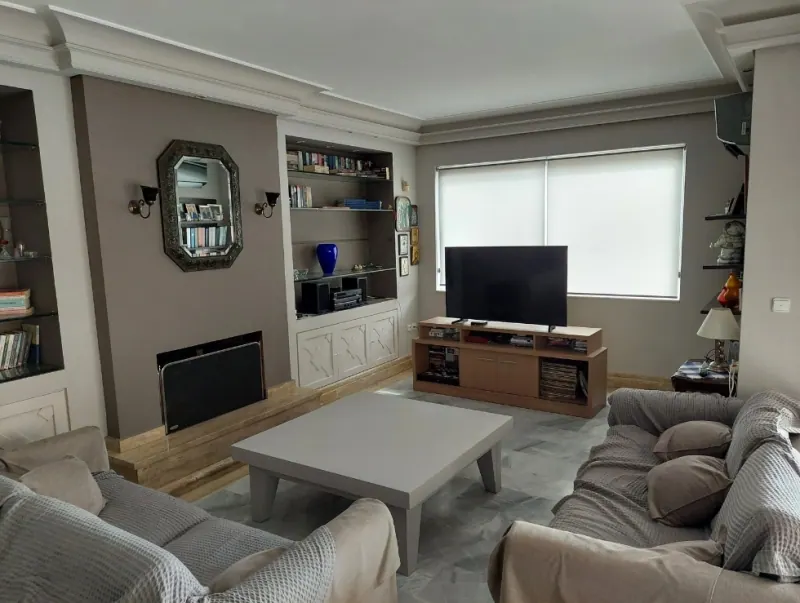 Apartment
Kalymniotika, Voula
139 m² Plot 600 m² 3 bedrooms 1 bathroom
€620,000
Asking price on 15 October 2026
Apartment
Kalymniotika, Voula
139 m² Plot 600 m² 3 bedrooms 1 bathroom
€620,000
Asking price on 15 October 2026
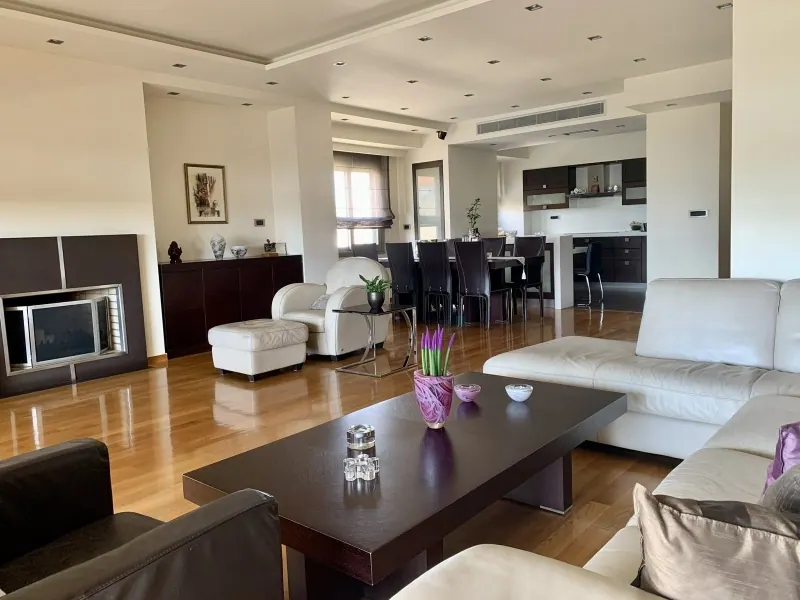 Apartment
Kavouri, Vouliagmeni
145 m² 3 bedrooms 2 bathrooms
€850,000
Asking price on 15 October 2026
Apartment
Kavouri, Vouliagmeni
145 m² 3 bedrooms 2 bathrooms
€850,000
Asking price on 15 October 2026
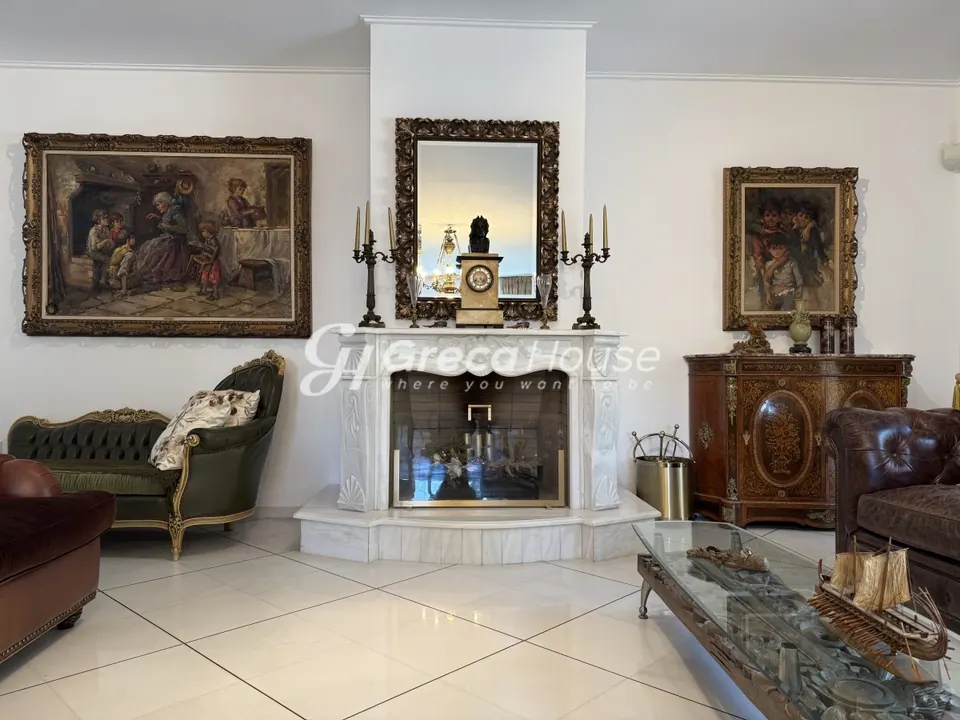 Maisonette
Kato Voula
298 m² 3 bedrooms 2 bathrooms
€1,600,000
Asking price on 15 October 2026
Maisonette
Kato Voula
298 m² 3 bedrooms 2 bathrooms
€1,600,000
Asking price on 15 October 2026
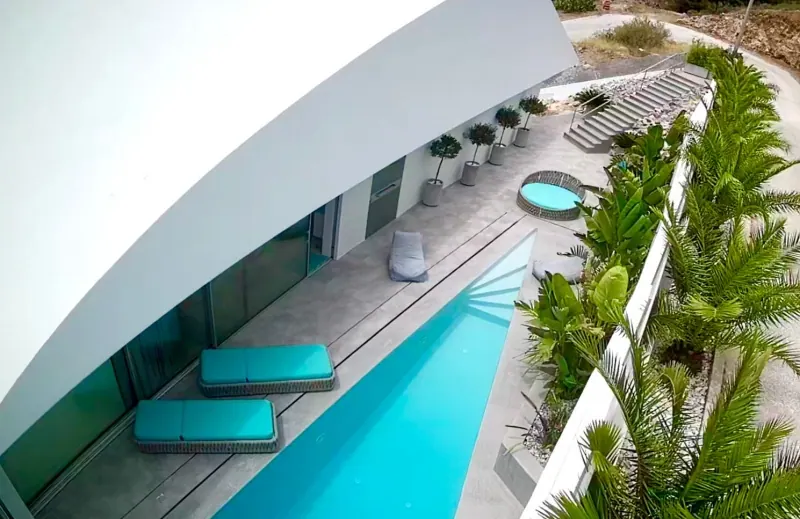 Villa
Panorama, Voula
360 m² Plot 460 m² 2 bedrooms 2 bathrooms
€3,700,000
Asking price on 15 October 2026
Villa
Panorama, Voula
360 m² Plot 460 m² 2 bedrooms 2 bathrooms
€3,700,000
Asking price on 15 October 2026
Listed with Greca House. More listings for sale
Athens South: the median asking price on Greca House's own listings was €5,351 per m² on 1 October 2026, across 28 homes with a stated floor area. These are asking prices, not sale prices. Source: Greca House research.
Sources36
- Wikipedia: Vari-Voula-Vouliagmeni accessed 14 October 2026
- Wikipedia: Voula accessed 14 October 2026
- Βικιπαίδεια: Βούλα accessed 14 October 2026
- Asklipieio Voulas repository: the historical meteorological station of Voula («Ιστορικός Μετεωρολογικός Σταθμός Βούλας») accessed 14 October 2026
- Wikipedia: Vouliagmeni accessed 14 October 2026
- Βικιπαίδεια: Βουλιαγμένη Αττικής accessed 14 October 2026
- Four Seasons: Astir Palace Hotel Athens, hotel facts accessed 14 October 2026
- Wikipedia: Temple of Apollo Zoster accessed 14 October 2026
- Wikipedia: Lake Vouliagmeni accessed 14 October 2026
- Βικιπαίδεια: Λίμνη Βουλιαγμένης accessed 14 October 2026
- Greek National Tourism Organisation: Athens Riviera accessed 14 October 2026
- CNN Greece: Blue Flag, the 17 beaches of Attica that received it (14 May 2026) accessed 15 October 2026
- Wikipedia: Varkiza accessed 14 October 2026
- Βικιπαίδεια: Βάρκιζα accessed 14 October 2026
- Wikipedia: Treaty of Varkiza accessed 14 October 2026
- Wikipedia: Vari, Greece accessed 14 October 2026
- Βικιπαίδεια: Βάρη Αττικής accessed 15 October 2026
- Wikipedia: Vari Cave accessed 14 October 2026
- Culinary Backstreets: Tephariki, road grill (Johanna Dimopoulos, 14 November 2019) accessed 14 October 2026
- STASY: tram timetable accessed 14 October 2026
- Wikipedia: Athens Tram accessed 14 October 2026
- Wikipedia: Elliniko metro station accessed 14 October 2026
- OASA: telematics (bus lines and stops) accessed 14 October 2026
- Wikipedia: Vouliagmenis Avenue accessed 14 October 2026
- Wikipedia: Greek National Road 91 accessed 14 October 2026
- Hellenic Parliament: question 5366 (filed 24 May 2022) on the Vouliagmeni beach accessed 14 October 2026
- Powergame: ETAD starts the tender for Akti Vouliagmenis (19 February 2025) accessed 15 October 2026
- SKAI: seven expressions of interest for Akti Vouliagmenis (15 May 2025) accessed 14 October 2026
- Powergame: appeal to the Council of State over the lease of Akti Vouliagmenis (21 May 2025) accessed 14 October 2026
- Powergame: Akti Vouliagmenis goes to the Evergood-Gefsinous consortium (30 January 2026) accessed 15 October 2026
- Powergame: the dispute between ETAD and the municipality over Akti Vouliagmenis (26 June 2026) accessed 15 October 2026
- Greca House: research on asking prices by region, snapshot of 1 October 2026 accessed 14 October 2026
- Greca House listing GH-107406 accessed 14 October 2026
- Greca House listing GH-107405 accessed 14 October 2026
- Greca House listing GH-108210 accessed 14 October 2026
- Greca House listing GH-107720 accessed 14 October 2026